Understanding Audit Processes Better
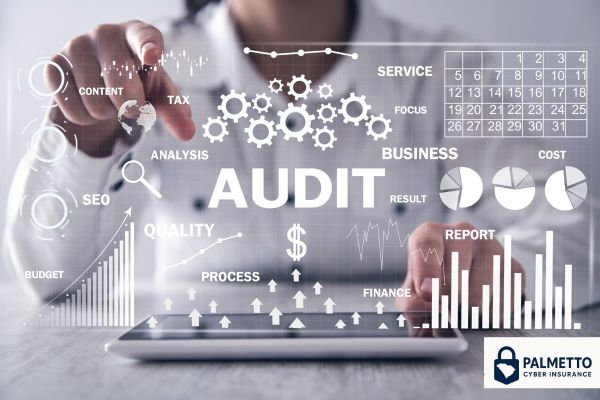
Understanding audit processes better is essential for businesses seeking to enhance their cybersecurity posture. A systematic approach to audits not only ensures compliance with regulatory requirements but also strengthens the overall risk management framework. This report outlines key components of effective audit processes, evaluates how audits can improve cybersecurity measures, and details steps necessary during a compliance audit.
Key Components of Effective Audit Processes
Effective audit processes encompass several critical elements that ensure thorough evaluations of an organization's systems and controls. These components include:
- Risk Assessments: Identifying potential vulnerabilities is crucial. A survey by the Ponemon Institute found that organizations that conduct regular risk assessments are 50% more likely to identify breaches before they occur [Source].
- Control Frameworks: Implementing established frameworks such as ISO 27001 or the NIST Cybersecurity Framework provides structured guidelines for managing information security risks effectively.
- Document Reviews: Comprehensive reviews of policies, procedures, and records help auditors verify that controls are not only in place but functioning as intended.
- Compliance Checks: Regular checks against relevant regulations ensure adherence to legal standards, reducing the likelihood of penalties or fines.
These components work together to create a robust audit process that identifies weaknesses and enhances resilience against cyber threats.
How Audits Can Improve Cybersecurity Measures
Audits play a pivotal role in bolstering an organization's cybersecurity measures through various mechanisms:
- Identification of Weaknesses: Regular audits reveal gaps in security protocols, allowing organizations to address these vulnerabilities proactively.
- Training Opportunities: Auditors often provide insights into areas where staff may lack awareness or training regarding cybersecurity practices, leading to targeted educational initiatives.
- Policy Enhancement: Audit findings can lead to revisions in existing policies, ensuring they remain relevant and effective against emerging threats.
A study from Deloitte indicates that companies with frequent audits experience 30% fewer data breaches than those with infrequent assessments [Source]. This underscores the value of integrating audits into ongoing risk management strategies.
Steps Taken During a Compliance Audit
Conducting a compliance audit involves several structured steps designed to ensure comprehensive evaluation:
- Pre-Audit Planning: Establish objectives and scope while gathering relevant documentation regarding existing controls and policies.
- Fieldwork Execution: Engage in interviews with stakeholders, perform testing on systems and controls, and observe operational practices firsthand.
- Drafting Findings: Compile observations into a draft report highlighting both strengths and areas needing improvement; this stage allows for feedback from stakeholders before finalizing findings.
- Final Report Issuance: Present the final report detailing findings along with actionable recommendations tailored to enhance compliance efforts moving forward.
- Follow-Up Actions: Schedule follow-up assessments to evaluate progress on implemented recommendations within agreed timeframes.
Following these steps ensures that compliance audits yield valuable insights into organizational practices while promoting continuous improvement in cybersecurity readiness.
Next Steps for Enhancing Your Audit Process
To effectively leverage auditing processes for improved cybersecurity outcomes:
- Conduct regular risk assessments based on your specific industry needs.
- Implement recognized control frameworks tailored to your organization’s size and structure.
- Ensure thorough documentation reviews are part of your standard operating procedures.
Tracking metrics such as reduced incident response times or decreased breach frequencies will help measure success over time. Consider initiating these actions within the next quarter for optimal results while maintaining consistent communication among team members throughout the process.
By prioritizing these strategies, you can strengthen your organization’s defenses against cyber threats while ensuring compliance with applicable regulations—ultimately fostering trust among clients and stakeholders alike.
Related
- Compliance-supportthis article explores how compliance support can empower businesses to effectively manage regulations and enhance security measures.
- Understanding Audit Processes Better To Safeguard Your Digital AssetsThis article explores how mastering audit processes can enhance your organization's cybersecurity posture and ensure regulatory compliance.
- Navigating Legal Requirements Effectively To Safeguard Your Business From Cyber RisksThis article explores how navigating legal requirements effectively supports businesses in mitigating cybersecurity threats and ensuring regulatory compliance.
- Understanding Audit Processes Better To Safeguard Your Digital Assets

FAQs
1. What is the purpose of a cybersecurity or compliance audit?
A cybersecurity or compliance audit evaluates whether a business is following required security practices, protecting sensitive data properly, and meeting regulatory obligations.
2. Why are audits important for businesses?
Audits help identify weaknesses, ensure compliance with laws, reduce cyber risks, and protect the business from penalties, breaches, and operational disruptions.
3. What happens during a typical audit?
A typical audit includes reviewing policies, examining access controls, evaluating system configurations, interviewing staff, checking documentation, and verifying that security measures meet required standards.
4. What information do auditors usually request?
Auditors commonly request security policies, data handling procedures, access logs, training records, incident response plans, risk assessments, and technical configurations.
5. How long does an audit process usually take?
The length varies based on business size and complexity. Some audits take a few days, while more detailed evaluations may take several weeks.
6. How can a business prepare for an audit?
Businesses should review their security policies, update documentation, verify access controls, train employees, conduct internal assessments, and ensure all required safeguards are in place.
7. What are common issues that cause audit failures?
Common issues include outdated policies, missing documentation, inconsistent employee training, weak access controls, unpatched systems, and lack of incident response procedures.
8. What happens if a business does not pass an audit?
If a business does not pass an audit, it may face fines, mandatory corrective actions, increased oversight, or restrictions on certain business activities depending on the industry.
9. How often should businesses complete audits?
Most businesses conduct audits annually, but companies in highly regulated industries or those handling sensitive data may require more frequent reviews.
10. Can internal audits help prepare for official audits?
Yes. Internal audits help identify weaknesses before an external auditor reviews your business. They allow time for improvements and reduce the risk of compliance failures.
11. How do employees affect audit outcomes?
Employees play a major role. Their ability to follow procedures, maintain secure practices, and handle data responsibly directly influences audit performance.
12. How does Palmetto Cyber Insurance assist with audit readiness?
Palmetto Cyber Insurance provides resources, assessment tools, expert guidance, and insurance solutions that help businesses strengthen compliance and prepare for audits.