Understanding Columbia Ransomware Coverage
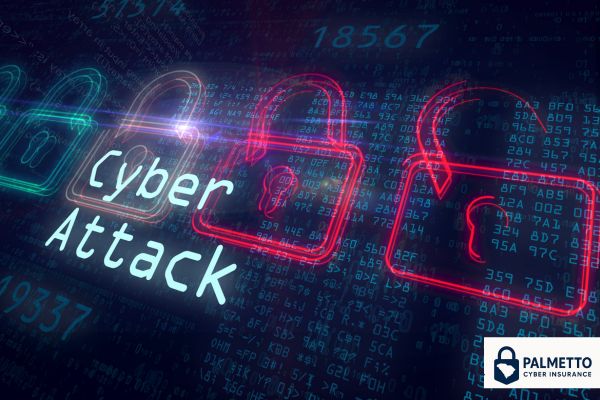
Columbia ransomware coverage is essential for businesses aiming to safeguard their digital assets against the rising threat of ransomware attacks. As cybercriminals increasingly target organizations in Columbia, South Carolina, understanding the nuances of this insurance coverage becomes critical.
Assessing Risks Associated with Ransomware
Ransomware attacks can have devastating effects on organizations. According to a report from Cybersecurity Ventures, global ransomware damages are projected to reach $265 billion by 2031 [Source]. This alarming trend underscores the necessity for businesses in Columbia to assess their risk exposure thoroughly.
Organizations should conduct a comprehensive risk assessment that includes identifying potential vulnerabilities within their IT infrastructure and understanding the specific types of data they hold. Factors such as industry sector, size of the organization, and historical incident data should inform this assessment. For instance, healthcare organizations often face higher risks due to sensitive patient information being lucrative targets for attackers.
Evaluating Cyber Insurance Policies
When considering Columbia ransomware coverage, it is crucial to evaluate different cyber insurance policies carefully. Not all policies provide uniform coverage; thus, understanding key components like policy limits and exclusions clauses is vital.
Policy limits define the maximum amount an insurer will pay in case of a claim. Businesses must consider whether these limits align with potential losses they could incur from a ransomware attack. Exclusions clauses may outline specific scenarios or types of incidents that are not covered under the policy. For example, certain policies might exclude coverage for losses resulting from employee negligence or failure to implement adequate security measures.
Additionally, reviewing claims process details can aid in determining how quickly and efficiently an organization can recover after an incident occurs. A streamlined claims process can significantly reduce downtime and associated costs during recovery efforts.
Factors Influencing the Cost of Ransomware Insurance
Several factors influence the cost of ransomware insurance premiums. These include organizational size, industry type, cybersecurity posture, and claims history. Organizations with robust cybersecurity measures typically benefit from lower premiums because they represent a reduced risk profile.
According to a survey by Risk Management Society (RIMS), companies investing heavily in cybersecurity tools see premium reductions ranging between 10% and 30% [Source]. Furthermore, insurers may require evidence of security protocols such as multi-factor authentication or regular vulnerability assessments before issuing a policy at favorable rates.
It is also important for small businesses in Columbia to understand that while premiums may seem high relative to their budget, investing in ransomware coverage can ultimately protect them from catastrophic financial losses that could arise from an attack.
Selecting an Insurance Provider
Choosing the right provider for Columbia ransomware coverage requires careful consideration. Key factors include:
- Reputation: Research customer reviews and industry ratings.
- Claims Support: Evaluate how quickly providers respond to claims.
- Coverage Options: Compare features across different insurers.
Engaging with brokers who specialize in cyber insurance can provide valuable insights into which providers offer comprehensive plans tailored specifically for businesses operating within South Carolina's regulatory environment.
Next Steps for Businesses
To enhance your organization's preparedness against ransomware threats:
- Conduct a thorough risk assessment focusing on vulnerabilities.
- Review existing cybersecurity measures and identify areas needing improvement.
- Compare various insurance providers based on reputation and customer feedback.
- Engage with experts who can assist you in navigating complex policy details.
By taking these proactive steps now, you position your business better against future threats while ensuring compliance with evolving regulations surrounding cybersecurity insurance.
For more information about options available for safeguarding your business through effective cyber liability solutions tailored specifically for Columbia's unique landscape, visit Palmetto Cyber Insurance.
Related
- Columbia Ransomware Coverage: Understanding Your Protection Options Against Cyber ThreatsExplore how columnbia ransomware coverage can safeguard your business from the financial impacts of cyberattacks and ensure regulatory compliance.

Frequently Asked Questions (FAQs)
1. What is Cyber Insurance?
Cyber insurance (also called cyber liability insurance) is a specialized policy that helps businesses cover the financial losses, legal costs, and recovery expenses resulting from cyber incidents such as data breaches, ransomware attacks, and network intrusions.
2. Why does my business need cyber insurance?
In today’s digital world, even small companies face significant cyber threats. Cyber insurance helps businesses manage incident response costs, notification requirements, legal claims, and business interruption losses that traditional policies often do not cover.
3. What does cyber insurance typically cover?
Most cyber policies include:
-
First‑party coverage: costs to investigate a breach, restore data, recover systems, and manage public relations.
-
Third‑party liability: legal defense, settlements, regulatory fines, and compensation if customers or partners are affected.
4. What is not covered by cyber insurance?
Policies usually exclude losses from pre‑existing vulnerabilities, negligent security practices, routine technology upgrades, or physical property damage and bodily injury (which are covered by other insurance types).
5. How much does cyber insurance cost?
Premiums vary based on your industry, revenue, security posture, and risk exposure. Businesses with stronger cybersecurity measures in place often receive lower rates.
6. How do I file a claim after a cyber incident?
Immediately contact your insurer and follow their incident response guidance. Most providers offer 24/7 assistance to help manage the response and documentation needed for a claim.
7. Does cyber insurance include ransomware coverage?
Yes — most modern policies cover costs related to ransomware events, such as negotiations, recovery, and system restoration, up to your policy limits.
8. Can cyber insurance help with regulatory fines?
Many cyber liability policies include coverage for regulatory defense costs and fines arising from data privacy laws when permitted by law. This helps protect your business from financial penalties.
9. What should I look for in a cyber insurance policy?
Key things to consider:
-
amount of coverage and limits
-
What first‑party and third‑party costs are included
-
response services and expert support
-
exclusions and conditions that may apply.
10. How do I get a cyber insurance quote?
You can request a custom quote online or speak with a Palmetto Cyber Insurance agent who will assess your business needs and help find a policy tailored to your risk profile.