
Understanding Cyber Threat Landscapes
Understanding cyber threat landscapes is essential for businesses aiming to protect their digital assets. The complexity of these landscapes requires organizations to adopt a comprehensive approach to cybersecurity, integrating various frameworks and strategies.
Key Components of a Cyber Threat Landscape
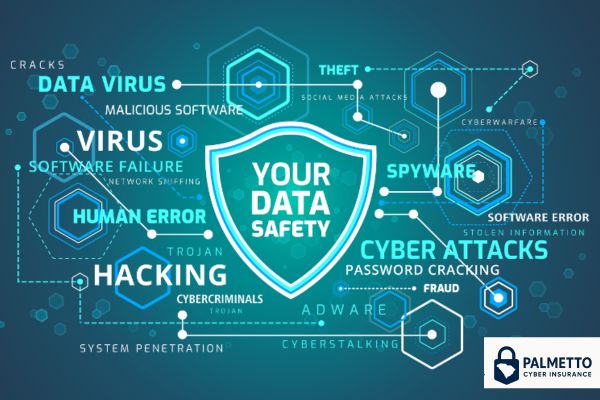
A cyber threat landscape encompasses multiple elements that organizations must monitor and assess. These include attack vectors, vulnerabilities, and threat actors. Attack vectors are the methods used by cybercriminals to infiltrate systems, such as phishing emails or malware. According to the Verizon Data Breach Investigations Report, 36% of data breaches involve phishing attacks [Source]. Vulnerabilities refer to weaknesses in systems that can be exploited, while threat actors are individuals or groups that perpetrate cyberattacks.
Organizations must evaluate these components regularly to understand their exposure and potential risks. This assessment involves identifying critical assets and understanding how they might be targeted by adversaries.
Assessing Exposure to Various Threats
To effectively manage cybersecurity risks, businesses need structured approaches for assessing their exposure. Conducting vulnerability assessments is a foundational step in this process. A vulnerability assessment identifies security weaknesses across an organization’s infrastructure, software applications, and network configurations.
According to a report from Cybersecurity Ventures, global spending on cybersecurity solutions is projected to exceed $1 trillion from 2017 to 2021 [Source]. This investment reflects the urgency for businesses to understand their vulnerabilities better and allocate resources accordingly.
Additionally, leveraging threat intelligence plays a crucial role in managing risks. Threat intelligence provides actionable insights into emerging threats specific to an industry or region. By analyzing data on past incidents and current trends, organizations can anticipate potential attacks and implement appropriate defenses.
The Role of Threat Intelligence in Managing Risks
Threat intelligence serves as a critical resource for organizations seeking proactive measures against cyber threats. It enables businesses to stay informed about new vulnerabilities and tactics used by attackers. For example, utilizing frameworks like MITRE ATT&CK can help organizations map out potential attack scenarios based on real-world incidents [Source].
Moreover, integrating threat intelligence into incident response planning enhances an organization's ability to react swiftly when breaches occur. Effective incident response plans outline procedures for containment, eradication, recovery, and communication during a cybersecurity incident.
The National Institute of Standards and Technology (NIST) emphasizes the importance of continuous monitoring as part of risk management frameworks [Source]. Organizations should regularly update their threat models based on evolving intelligence and adjust their defenses accordingly.
Recommendations for Navigating Cyber Threat Landscapes
To navigate the complexities of cyber threat landscapes effectively:
- Implement Regular Vulnerability Assessments: Schedule frequent evaluations of your systems' security posture.
- Invest in Threat Intelligence Solutions: Utilize tools that provide timely information on emerging threats relevant to your industry.
- Develop Comprehensive Incident Response Plans: Ensure your organization has clear protocols for responding to different types of cyber incidents.
- Foster Employee Awareness Programs: Educate staff about common attack vectors like phishing scams; human error remains one of the leading causes of data breaches.
By following these recommendations, you position your organization not only to defend against existing threats but also adapt proactively as new challenges emerge.
What Are the Next Steps?
Begin by evaluating your current cybersecurity framework against identified gaps in your defenses. Consider engaging with cybersecurity firms specializing in risk assessments tailored specifically for small businesses within South Carolina's regulatory environment.
As you refine your strategy:
- Set measurable goals around reducing vulnerabilities.
- Track metrics such as incident response times or employee training completion rates.
- Review policies annually or after significant changes within your organization or industry regulations.
In summary, navigating the intricate landscape of cyber threats demands ongoing vigilance and adaptability from all stakeholders involved in organizational security efforts.
Related
- Business-cyber-protectionThis article explores critical aspects of business cyber protection to help small to medium-sized companies enhance their security posture and mitigate risks.
- Protecting Sensitive Business Data: Practical Approaches Every Smb Should ImplementThis article outlines effective methods for protecting sensitive business data, helping small to medium-sized businesses mitigate cyber risks and comply with regulations.
- Evaluating Cybersecurity Risk Factors: A Comprehensive Approach For BusinessesThis article explores the methodology of evaluating cybersecurity risk factors and its importance for safeguarding digital assets.
- Essential Tools For Data Security Every Business Should ConsiderThis article explores the crucial instruments necessary to fortify your organization's data security framework and mitigate cyber risks.
- Strategies For Safeguarding Digital Assets That Every Business Should ImplementThis article explores various effective methods and frameworks businesses can adopt to protect their digital assets from evolving cyber threats.
- Understanding Cyber Threat Landscapes: A Guide For Proactive Risk MitigationThis article explores the complexities of cyber threat landscapes and provides insights into identifying and mitigating potential risks for businesses.
- Protecting Sensitive Business Data: Practical Approaches Every Smb Should Implement
FAQs
1. What is a cyber threat landscape?
A cyber threat landscape is the complete picture of all digital risks, attack methods, vulnerabilities, and malicious actors that may target your business.
2. Why is it important to understand the cyber threat landscape?
Understanding the threat landscape helps your business identify weaknesses, stay ahead of emerging risks, and implement the right security measures before attacks occur.
3. What types of cyber threats are most common today?
Common threats include phishing attacks, ransomware, malicious software, data breaches, identity theft, insider misuse, and attacks on cloud systems or remote devices.
4. How do cyber threats evolve over time?
Cyber threats constantly evolve as attackers develop new tools, exploit new technologies, and take advantage of human error. Staying informed is essential for effective protection.
5. What industries face the highest risk from cyber threats?
Industries such as healthcare, finance, legal services, education, retail, and technology often face the greatest risk because they manage sensitive information and rely heavily on digital systems.
6. How can a business identify its cyber vulnerabilities?
Businesses can identify vulnerabilities through risk assessments, penetration testing, system audits, employee training evaluations, and reviewing third-party vendor risks.
7. How does human error contribute to cyber threats?
Human error, such as clicking malicious links or using weak passwords, is a major cause of cyber incidents. Training and awareness significantly reduce this risk.
8. What role does technology play in detecting cyber threats?
Security tools such as firewalls, intrusion detection systems, threat monitoring solutions, and secure authentication systems help identify and block threats before they cause harm.
9. Can cyber insurance help protect against these threats?
Yes. Cyber insurance provides financial protection, expert response services, legal support, and recovery resources to help your business return to normal after an attack.
10. How can Palmetto Cyber Insurance help my business navigate the threat landscape?
Palmetto Cyber Insurance offers risk assessments, tailored cyber coverage, expert guidance, and support services designed to help South Carolina businesses defend against evolving cyber threats.